Company\Resources\Resistance Training + Protein May Lower GLP-1 RA Muscle Loss
Resistance Training + Protein May Lower GLP-1 RA Muscle Loss

news-article
Medically supervised resistance training and adequate protein intake may help minimize the loss of lean body mass in people taking glucagon-like peptide 1 receptor agonists (GLP-1 RAs) for weight loss, new data suggest.
The findings came from a prospective 6-month study of 200 adults with overweight or obesity who received education on resistance training and protein intake at the time of initiating semaglutide or the dual GLP-1/glucagon-insulinotropic peptide tirzepatide. At 6 months, bioelectrical impedance assessment showed they had lost approximately 13% of their body weight but only about 3% of their muscle mass.
“This reinforces the importance of these medications being used under the care of experienced providers who can offer guidance on physical activity, nutrition, and body composition. When used correctly, they can make a significant difference in optimizing health while preserving muscle mass, an essential factor for long-term metabolic health,” study author Dina Peralta-Reich, founder and director of New York Weight Wellness Medicine, New York City, told Medscape Medical News.
Peralta-Reich, who has dual board certifications in pediatrics and obesity medicine, is scheduled to present the findings at the European Congress on Obesity Medicine, taking place from May 11 to 15 in Malaga, Spain.
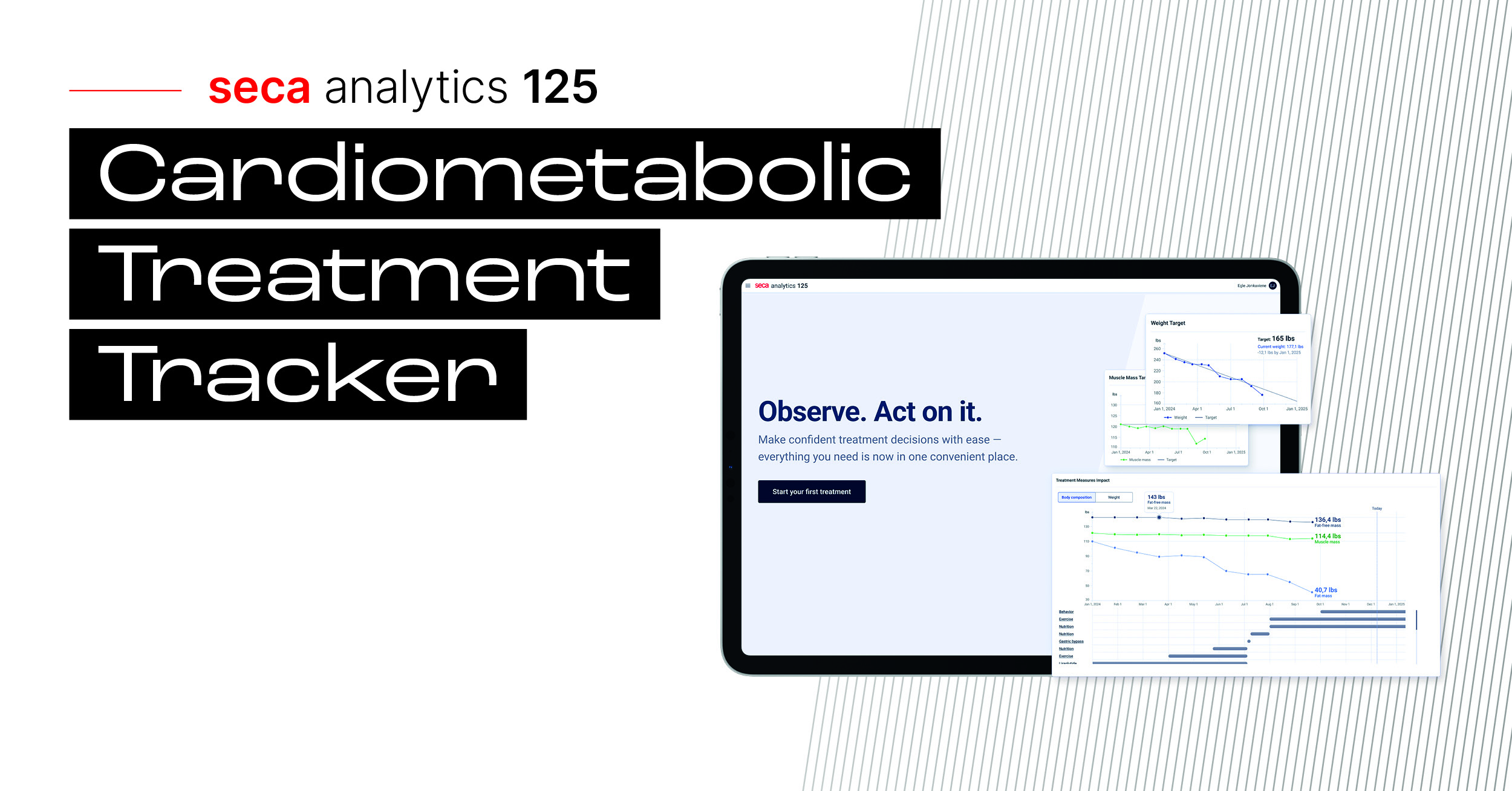
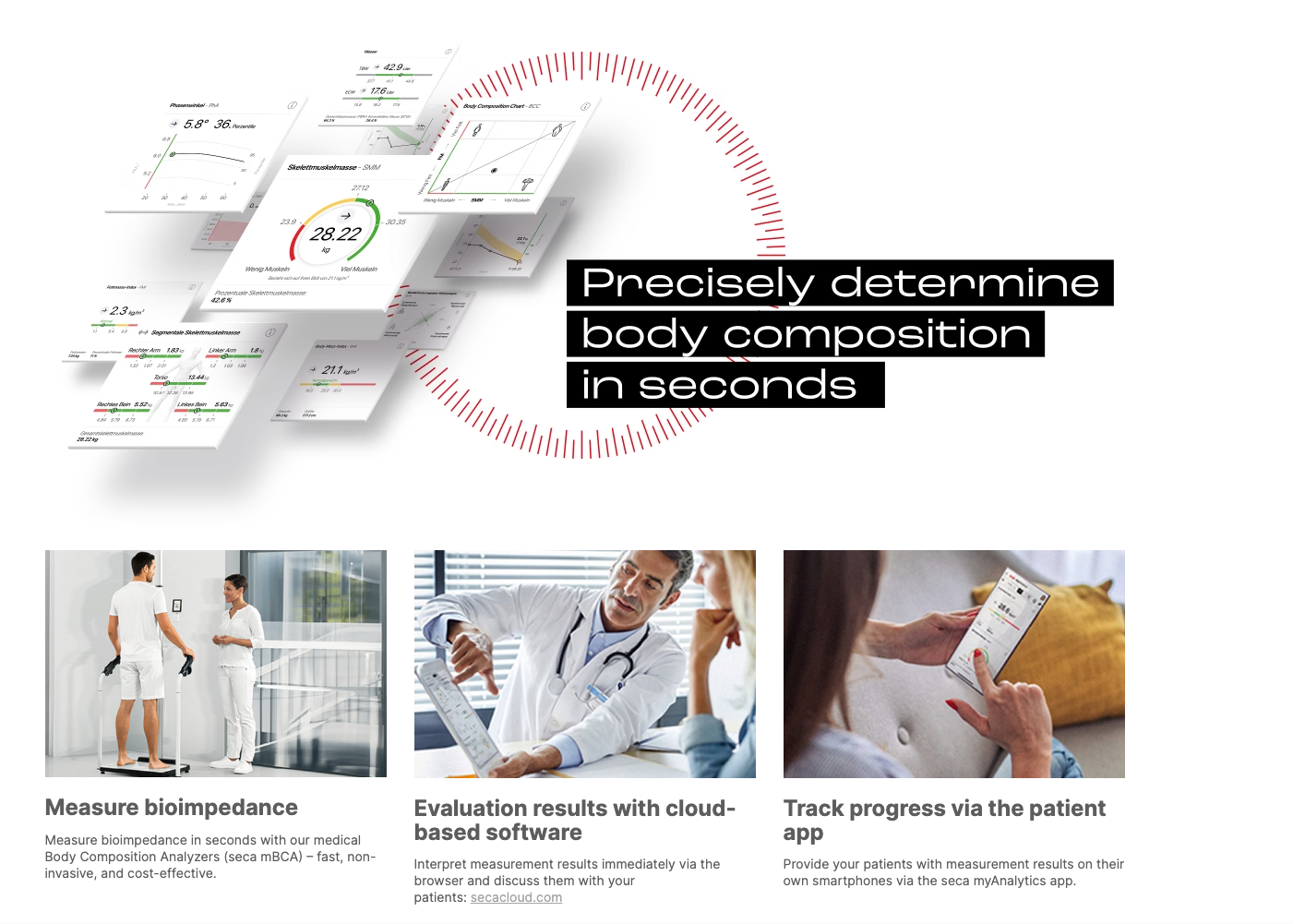
Asked to comment, Angela Fitch, MD, co-founder and chief medical officer at Knownwell, an obesity management center based in Needham, Massachusetts, told Medscape Medical News that the data show “much lower muscle mass loss than we typically expect even with lifestyle interventions. This is exactly what we see at Knownwell in clinical practice when our patients receive comprehensive care from our multi-disciplinary care team…We also do body composition testing with our seca bioimpedance device which also is so important to track muscle loss and counsel patients more directly on protein goals and resistance training activities.”
The 99 men and 101 women in the study were aged 18-65 years and had body mass indexes ≥ 25 (mean 31.4). Their mean age was 47 years.
They were instructed to aim for performing resistance training three times per week. Protein intake was individualized, but generally above the Dietary Reference Intake of 0.8 g/kg. They were assessed at baseline, 3 months, and 6 months with the InBody 570 body composition analyzer.
At 6 months, bioelectrical impedance assessment showed that males had an average weight loss of 13%, with a muscle mass loss of 1.2% total starting body weight. For females, those losses were 12% and 3%, respectively.
Similarly, the men dropped from an average 223 lbs (101 kg) to 193 lbs (88 kg), a 13% loss (P < .001). Their fat mass loss was about 25 lbs (12 kg) with just 2.4 lbs of muscle mass (1 kg).
Self-reported medication adherence was 95% at 3 months and 89% at 6 months.
Asked how this intervention might compare with drugs in development to mitigate muscle loss with GLP-1 RA therapy, Peralta-Reich said “while we are optimistic we are not applying the results of this study to newer obesity management medications, as additional data are still emerging.”
Fitch said that any adjunctive medications for use with GLP-1 RAs “will likely only be needed for patients with true sarcopenia that really can’t tolerate any muscle mass loss during weight loss, but perhaps if the safety profile is strong enough, they could be more broadly beneficial for everyone.”
However, added Fitch, who is board certified in obesity medicine, internal medicine, and pediatrics, “I don’t think anything will or should replace a focus on strength/resistance activity as so many people don’t do enough resistance exercise by default. More education and support are needed for patients to do resistance exercise, as it is important for longevity.”
Peralta-Reich is on an advisory board for Qsymia. Fitch reported receiving personal fees from Eli Lilly and Company, Novo Nordisk, Rhythm, Currax, NeuroBo, Nestle, Jenny Craig, Sidekick, AbbVie, Carmot, and Vivus.
.png)