Company\Resources\What Clinicians Should Know About the AMA’s Bold Move on Obesity
What Clinicians Should Know About the AMA’s Bold Move on Obesity
.png)
Obesity
Cardiometabolic Care
Obesity Medicine
By Nina Crowley, PhD, RDN
I recently had the pleasure of hosting a webinar with my longtime friend and fellow South Carolinian, Dr. John Scott—a bariatric surgeon and the representative of the American Society for Metabolic and Bariatric Surgery (ASMBS) in the American Medical Association (AMA) House of Delegates. We got into how real change in obesity care policy actually happens.
If you've been frustrated by prior auth hurdles, poor coverage, or the continued dominance of BMI in clinical decision-making—you’re not alone. But there’s hopeful momentum building. Not fast enough, but strategic, grounded, and gaining traction because advocates like Dr. Scott are showing up.
Behind the Scenes: How the AMA Works
Dr. Scott walked us through the structure of the AMA House of Delegates, comparing it to a physician-led “Congress.” Delegates from state medical societies and specialty groups—including ASMBS and OMA—present and debate resolutions. When something passes, it becomes official AMA policy, shaping national healthcare priorities and guidelines.
From the 2013 vote recognizing obesity as a disease to pressing concerns about insurance coverage and research investment, the AMA’s policy machinery is deliberate, evidence-based, and impactful.
From BMI to Body Composition: A Needed Shift
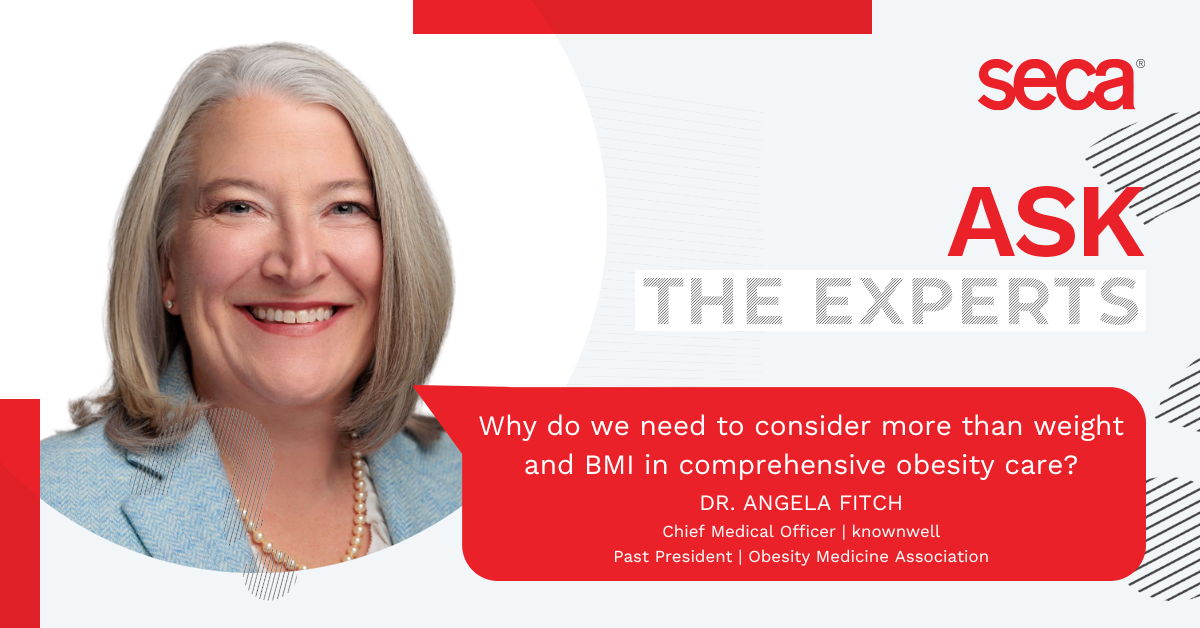
One of the most exciting parts of the discussion centered on the AMA’s growing recognition of body composition as a more accurate and meaningful way to evaluate obesity-related health risks. For too long, BMI has oversimplified the complexity of body fat, muscle mass, and disease risk.
As Dr. Scott explained, the limitations of BMI—especially its inability to distinguish fat from lean mass and its inequitable application across racial and ethnic groups—are now widely acknowledged. In fact, it was medical students who championed the resolution calling for the AMA to reconsider BMI as a primary metric for diagnosing obesity.
And in 2023, the AMA responded with a report supporting the use of validated alternatives, including:
Body composition analysis
Visceral fat estimation
Relative Fat Mass
Waist circumference
Genetic and metabolic markers of adiposity
These aren’t just theoretical tools—we’re already using them in clinics across the country to support more personalized, equitable, and science-based care. And now, the AMA is helping validate and elevate their use at the policy level. That’s a massive win.
As someone who’s spent years teaching clinicians how to use bioelectrical impedance analysis (BIA) to assess body composition, I’ve seen firsthand how this deeper understanding of a person’s body can unlock better clinical conversations, improve engagement, and challenge weight stigma. Seeing this shift reflected in national policy? Incredibly rewarding.
Why This Matters—and What You Can Do
Progress doesn’t happen in a vacuum—it happens because clinicians and advocates show up and participate. And one of the most foundational ways to get involved is to join the AMA.
If you're a physician and not yet a member, now is the time. Your membership helps organizations like the American Society for Metabolic and Bariatric surgery and the Obesity Medicine Association maintain their seats in the House of Delegates—and ensures our advocacy work continues to influence national policy on obesity care.
Join or Renew AMA membership today!
If you’re not a physician, your support matters. Let’s keep pushing for a world where body composition is recognized, respected, and routinely used to improve care—not just weight or BMI.
.png)
.png)
.png)
.png)
.png)
.png)