Company\Resources\Ask The Experts: Why Do We Need to Consider More Than Weight/BMI in Comprehensive Obesity Care?
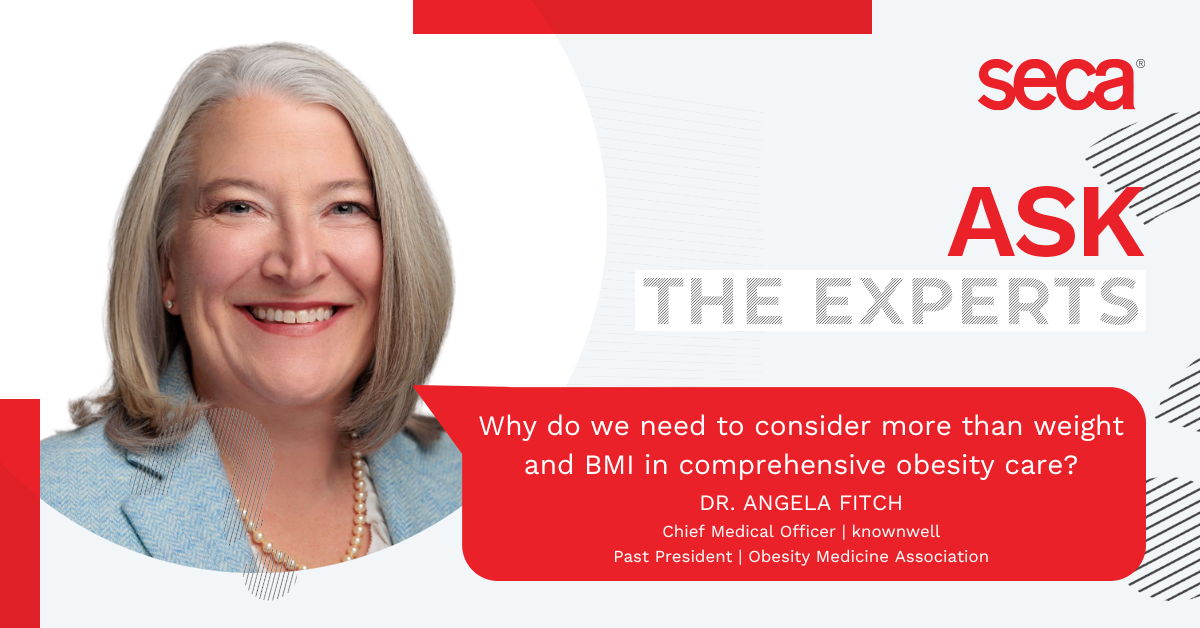
Ask The Experts: Why Do We Need to Consider More Than Weight/BMI in Comprehensive Obesity Care?
Blog
Ask the Experts
Cardiometabolic Care
Obesity Medicine
Understanding Body Composition
In comprehensive obesity care, it's essential to look beyond just weight and BMI for assessment, diagnosis, and treatment.
BMI may be a familiar number, but it only scratches the surface when it comes to understanding health. In comprehensive obesity care, relying solely on weight or BMI can obscure critical insights about a patient’s true metabolic status, physical function, and overall well-being. To provide effective, patient-centered care, clinicians must look beyond the scale—embracing tools like body composition analysis and behavioral support to guide more accurate, compassionate, and results-driven treatment plans.
Obesity is a chronic, relapsing disease that requires a holistic approach, including evidence-based interventions like dietary changes, lifestyle modifications, physical activity, medication, and surgery when necessary. Focusing only on weight and BMI overlooks broader aspects of quality of life and functional well-being. Comprehensive care demands a deeper understanding of an individual’s health beyond simple numbers.
One key limitation of BMI is its inability to distinguish between muscle and fat. A person with high muscle mass may have a high BMI, categorizing them as overweight or obese, despite having a healthy body composition. Conversely, someone with a normal BMI might have a high body fat percentage, putting them at risk for metabolic diseases. This discrepancy highlights the need for more precise measurements, like body composition analysis, to accurately assess health status and obesity-related risks.
Professional associations are now collaborating to establish a consensus that BMI serves as a screening tool for obesity but does not directly measure body fat. This consensus is crucial because it underscores the importance of interpreting BMI in the context of the disease's overall impact on health, mortality, and the risk of chronic diseases.
Read the Collaborative Statement from Six U.S. Obesity Treatment & Prevention Organizations here.
Focusing solely on weight loss can lead to unhealthy practices, such as extreme dieting or excessive exercise, which might cause muscle loss rather than fat loss. Preserving muscle mass is crucial for maintaining metabolic health, physical strength, and overall functionality. A comprehensive approach to obesity care emphasizes balanced nutrition, adequate protein intake, and resistance training to support healthy weight loss and improve body composition.
Comprehensive obesity care also considers psychological factors, like body image and emotional well-being, which significantly impact adherence to treatment plans. Behavioral therapy and support groups are vital in helping individuals make sustainable lifestyle changes. By addressing these broader aspects of obesity, healthcare providers can create personalized, effective treatment plans that improve overall health and quality of life.
While BMI is a useful initial screening tool, a more comprehensive approach is essential in obesity care. By incorporating additional measures like body composition analysis and considering psychological factors, healthcare providers can offer more accurate assessments and effective treatments. This holistic approach ensures individuals receive the support needed to achieve and maintain a healthier lifestyle, enhancing their quality of life and reducing the risk of chronic diseases.
Treating obesity effectively means moving past outdated metrics and embracing a fuller picture of health. By integrating body composition analysis, preserving muscle mass, and addressing psychological well-being, healthcare providers can deliver more meaningful care that respects the complexity of this chronic disease. It’s time to shift from weight-centered conversations to whole-person strategies—because lasting health outcomes require more than a number.
.png)
.png)
.png)
.png)
.png)
.png)